
The platform modeled warehouse movement as a constrained graph problem, then pushed optimized plans into operational systems in real time. It was designed to improve throughput while adapting to dynamic inventory and aisle constraints.
Problem
Static pick routes degraded quickly in dynamic warehouse conditions, leading to avoidable travel time and inconsistent execution.
Constraints
- Route computation had to complete in operationally useful time windows.
- Optimization logic had to respect hard constraints (inventory location, aisle access, priority rules).
- Output needed direct integration with live execution systems and status updates.
Architecture
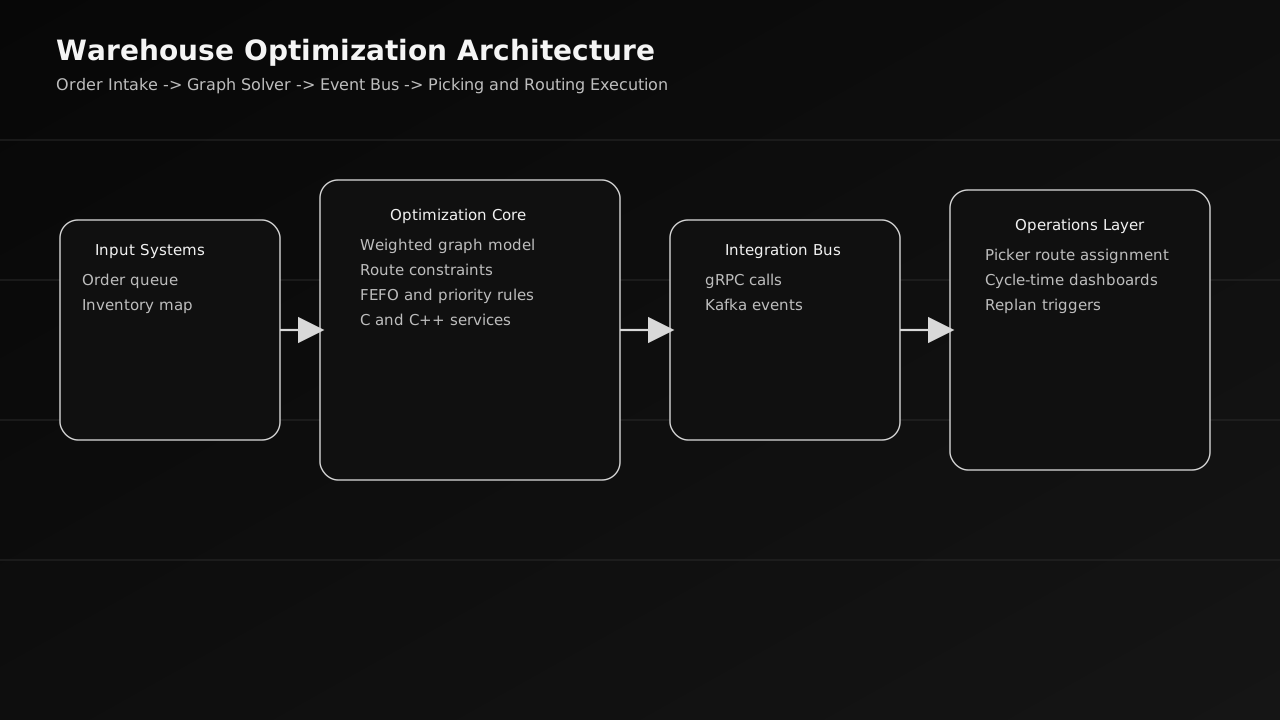
- C and C++ optimization services for low-latency graph computation.
- Weighted graph modeling for route cost, constraint penalties, and priority handling.
- gRPC for low-overhead service calls and Kafka for asynchronous operational events.
- Replan triggers based on inventory drift or queue pressure.
Tradeoffs and Failures
- Rich constraint modeling improved realism but increased solver complexity.
- Frequent replanning improved adaptability but could destabilize picker workflows.
- Over-optimized theoretical routes sometimes underperformed when floor conditions shifted suddenly.
Engineering Impact
- Increased route quality through graph-based optimization logic.
- Improved system responsiveness by integrating optimization with event streams.
- Enabled clearer operational observability with route and replan telemetry.
Outcomes
- Reduced wasted motion across picking workflows.
- Better consistency in plan quality under changing demand.
- More predictable planning behavior through explicit constraints and event-driven updates.
What Made This Approach Different
The platform balanced algorithmic optimality with operational realism, prioritizing deployable route decisions over purely academic optimization scores.